Burnout in Caregivers: How a Therapy Can Help

Posted On: July 27, 2026
Caring for someone who cannot care for themselves requires a tremendous amount of strength and energy. A caregiver provides ongoing personal, physical, practical, or emotional support to elderly, ill, injured, or disabled person. This caregiving can include informal, unpaid support from family members or friends, as well as professional assistance from home health aids, nurses, or other qualified caregivers. It is a respected and incredibly important job.
Unfortunately, regularly meeting the physical and emotional needs of another person can become an overwhelming task, especially when the caregiver has little time, rest, or outside support. This is a problem faced by many people around the world. When strength is depleted, it is difficult to care for another person. Responsibility weighs heavily on the shoulder. And that is when the caregiver themselves needs support and should seek it promptly. Caregiver therapy, conducted by a therapist specially trained in burnout, can significantly reduce exhaustion, anxiety, and depression.
Let’s talk in more detail about caregiver burnout therapy.
What Caregiver Burnout Really Looks Like
When does caregiver burnout develop? It is a state of physical, emotional, and mental exhaustion. It develops when the demands of caregiving persistently exceed a person’s ability to cope. It shares characteristics with occupational burnout. A person experiences emotional exhaustion, depersonalization, or detachment, as well as a decreased sense of job satisfaction. These conditions are exacerbated by grief, guilt, and lack of rest. In A Place for Mom’s 2025 Caregiving Survey, the vast majority of caregivers reported feelings of burnout, with high levels of stress, anxiety, and overload.
63 million Americans currently provide unpaid family care, a nearly 50 percent increase over the past decade. One in five caregivers describe their health as poor. Burnout is not a personal failure. It is a well-documented response to persistent, unsustainable demand for care services.
Why Utah Caregivers Are Especially at Risk
Several factors combined to make caregiver burnout a particularly pressing issue in Utah. The state has one of the youngest and fastest-growing populations in the country, often resulting in multigenerational families where adults simultaneously raise children and care for aging parents. Utah also has relatively limited access to paid home care in rural counties, meaning family members often take on caregiving responsibilities with little formal support in the form of respite. Most caregivers in Utah also work full- or part-time, creating significant opportunities for chronic stress and burnout.
Financial strain exacerbates the emotional burden. People incur debt, deplete savings, or struggle to meet basic needs due to their role as caregivers. This type of chronic, multi-faceted stress is what research has linked to anxiety, depression, sleep disturbances, and long-term health problems in caregivers.
Burnout in Caregivers: Why Self-Care Alone Isn’t Always Enough
Are you, as a caregiver, experiencing emotional burnout? Then you’ve likely heard well-meaning advice: “Take a bubble bath,” “Go for a walk,” or “Just relax more.” These self-care activities aren’t harmful, but they’re rarely a panacea. There’s a critical difference between everyday stress and clinical burnout.
Stress feels like having too many open browser tabs. You feel overwhelmed, but you can close a few and feel relieved. Burnout feels like the browser itself has crashed. No matter how many tabs you close, the system refuses to function properly. Burnout is characterized by profound emotional exhaustion, cynicism, and a feeling of inefficiency. And this feeling persists even after a full night’s sleep or a day off.
Relying solely on self-care when you’re burnt out is like trying to fix a broken leg with a Band-Aid. This doesn’t address the root causes: chronic guilt, unresolved grief, lack of control, and the gradual loss of identity outside the caregiver role. Working with a therapist who specializes in treating burnout in caregivers is crucial. Professional therapy for caregivers provides evidence-based tools for restructuring negative thought patterns, processing difficult emotions, and restoring a stable daily structure.
When emotional exhaustion becomes chronic, it’s a signal that your nervous system needs more than just rest. It requires processing, validation, and strategic intervention. Seeking professional help isn’t a renunciation of self-care. It’s an acknowledgement that sometimes the most caring thing you can do for yourself is to seek expert help.
Set Healthy Boundaries Without Feeling Like a Bad Caregiver
For many family members, the word “boundary” sounds cold and pragmatic. They fear that setting boundaries means they don’t love the person they care for enough. This belief is common and dangerous. In fact, a lack of boundaries is a major cause of resentment, exhaustion, and nervous breakdowns.
Counseling for caregivers often focuses on one important skill: learning to separate what you can do from what you feel obligated to do. A licensed therapist can help you understand that boundaries aren’t walls designed to keep your loved one out, but fences that create a safe space for both of you.
Here’s how healthy boundaries manifest in practice:
It’s okay to say no to a task that exceeds your physical or emotional capacity. “No” doesn’t mean “I don’t care.” It means “I care enough not to break down.”
Asking for help is important! Delegate household chores to siblings or hire a caregiver to share the workload. This is a wise move, not a sign of weakness.
Protect your time. Set aside at least one hour a day for yourself. If you’re strong and energetic, you’ll do more for the person you care for.
A qualified therapist can help you overcome the guilt that arises even before you set boundaries and help you organize your caregiving so that everyone feels comfortable.
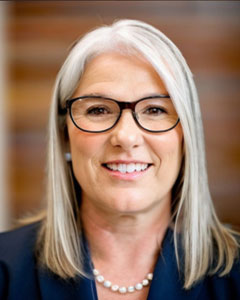
Meet Michelle Blank: A Therapist Who Specializes in Caregiver Burnout
We know that finding the right therapeutic match can feel daunting, especially when you are already exhausted. This is why we are proud to highlight Michelle Blank, a licensed therapist dedicated to supporting family caregivers through every stage of their journey.
Michelle understands the unique cultural and demographic pressures faced by Utah families. Her approach integrates cognitive behavioral therapy and acceptance and commitment therapy, specifically tailored to address the heavy emotional load of caregiving.
Michelle believes that caregiving should not cost you your identity. Her mission is to help you rediscover the person behind the caregiver role, so you can move forward with resilience rather than mere survival.
Therapeutic Approaches for Caregiver Burnout
| Approach | What the Research Shows | Best Suited For |
| Cognitive Behavioral Therapy (CBT) | Systematic reviews identify CBT as one of the most consistently effective interventions for reducing caregiver depression and emotional exhaustion. | Negative thought patterns, guilt, anxiety about caregiving decisions |
| Third-Wave / Mindfulness-Based CBT | A 2025 systematic review and meta-analysis found third-wave CBT (mindfulness-based approaches) significantly reduced emotional exhaustion, a core burnout symptom, in caregiving and helping professions. | Chronic stress, emotional exhaustion, difficulty relaxing |
| Acceptance and Commitment Therapy (ACT) | Reviewed alongside other third-wave modalities for improving psychological flexibility in caregivers managing a loved one’s declining health. | Caregivers of patients with progressive or terminal illness |
| Internet-Delivered / Telehealth CBT | A 2025 meta-analysis of 12 internet-delivered CBT programs for cancer caregivers found modest but meaningful reductions in anxiety and depression. | Rural Utah caregivers, those with limited time for in-person visits |
| Caregiver Support & Psychoeducation Groups | Systematic reviews of caregiver interventions for older adults found CBT and mindfulness-based group formats most effective at reducing depression and burden. | Caregivers seeking peer connection and practical coping skills |
Source note: Evidence summarized from peer-reviewed systematic reviews and meta-analyses published in 2024–2025, including studies indexed in PubMed Central and MDPI Healthcare.
Find the Right Caregiver Burnout Therapist in Utah
Ask a potential therapist for caregivers about their experience working with these types of people, rather than general stress-management techniques. A therapist who regularly works with family caregivers is typically familiar with cognitive behavioral therapy and mindfulness-based protocols and understands the unique grief and guilt that caregivers experience. Such a specialist can coordinate with the caregiver’s broader support network.
Collaborative Counseling offers online therapy for caregivers throughout Utah, making professional support more accessible for people who may have limited time, live in a rural community, or find it difficult to leave the person in their care. Through confidential telehealth sessions, our therapists help caregivers process guilt, grief, anxiety, emotional exhaustion, and family conflict while developing healthier boundaries and practical coping strategies.
Conclusion
Caregiver burnout is a major public health problem. Caregivers balance work, family, and caregiving daily, costing their health, sleep, and emotional resources. However, the research is clear: cognitive behavioral therapy, mindfulness practices, and professional psychological support really do work. They reduce anxiety, depression, and feelings of emotional exhaustion.
The main challenge for someone with emotional burnout is often not recognizing the problem and finding the time and opportunity to seek help without leaving their loved one unattended. This is where Online Counseling & Therapy Services across Utah comes in.
Our licensed therapists specialize in the conditions that accompany long-term caregiving. We can help you overcome chronic anxiety, depression, guilt, and family conflicts. We understand that your schedule is tight. So, we offer flexible online sessions accessible from anywhere. You don’t need to find a replacement or leave your home. Qualified support comes to you through your screen, saving you time and energy. You’ve dedicated your life to caring for others. It’s time to focus on yourself, without losing yourself.
Contact Collaborative Counseling to schedule an online appointment with a therapist who understands caregiver burnout and the emotional demands of caring for others.